
Practical writing on ERP readiness, implementation, support, training, governance, testing, data migration, recovery, and Artificial Intelligence (AI).
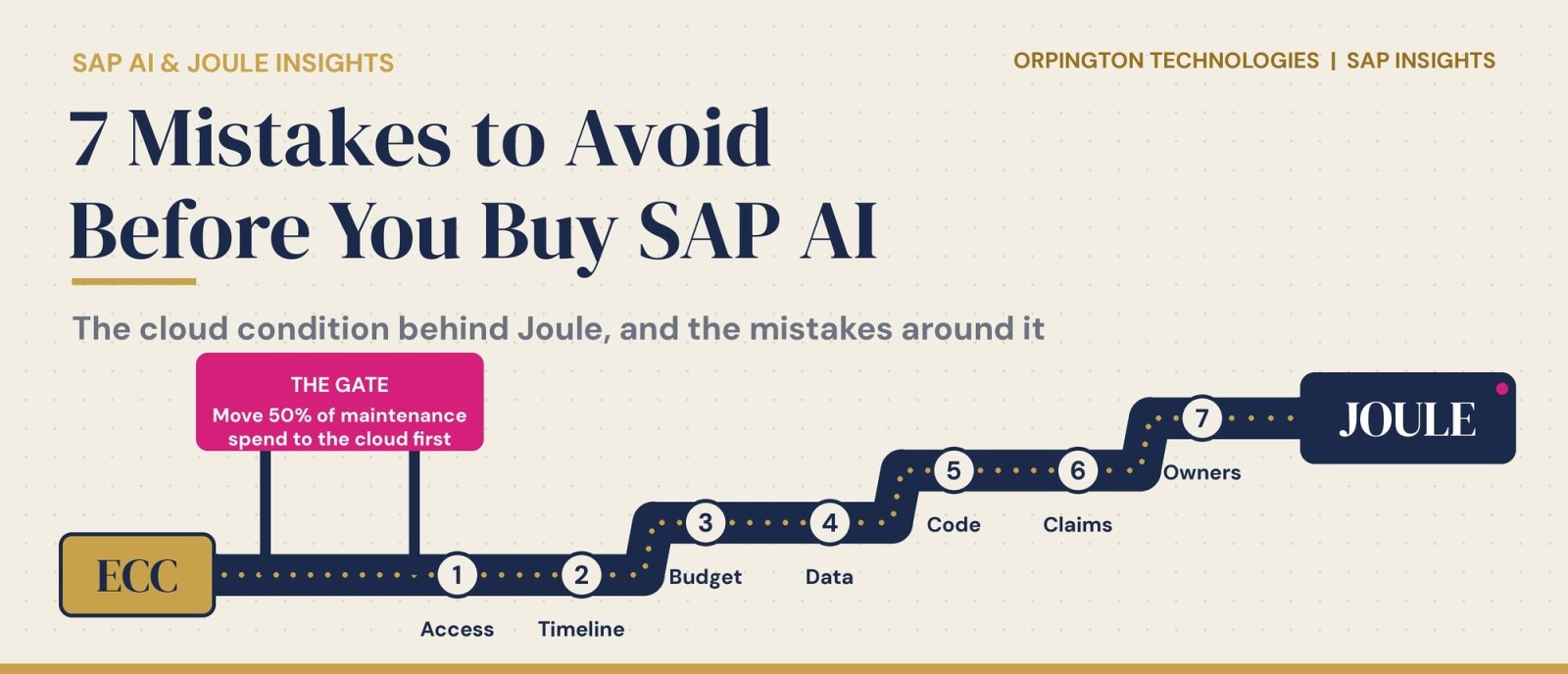
SAP Joule has grown from a 2023 generative AI copilot into a family of assistants, AI agents, a workspace (Joule Work) and an agent builder (Joule Studio), and it is designed for the cloud.

SAP is building what it calls an autonomous enterprise. Joule, AI agents and a new AI platform are changing how SAP is bought, run and staffed. Some of it is real today, some of it is still a promise, and all of it calls for a plan.
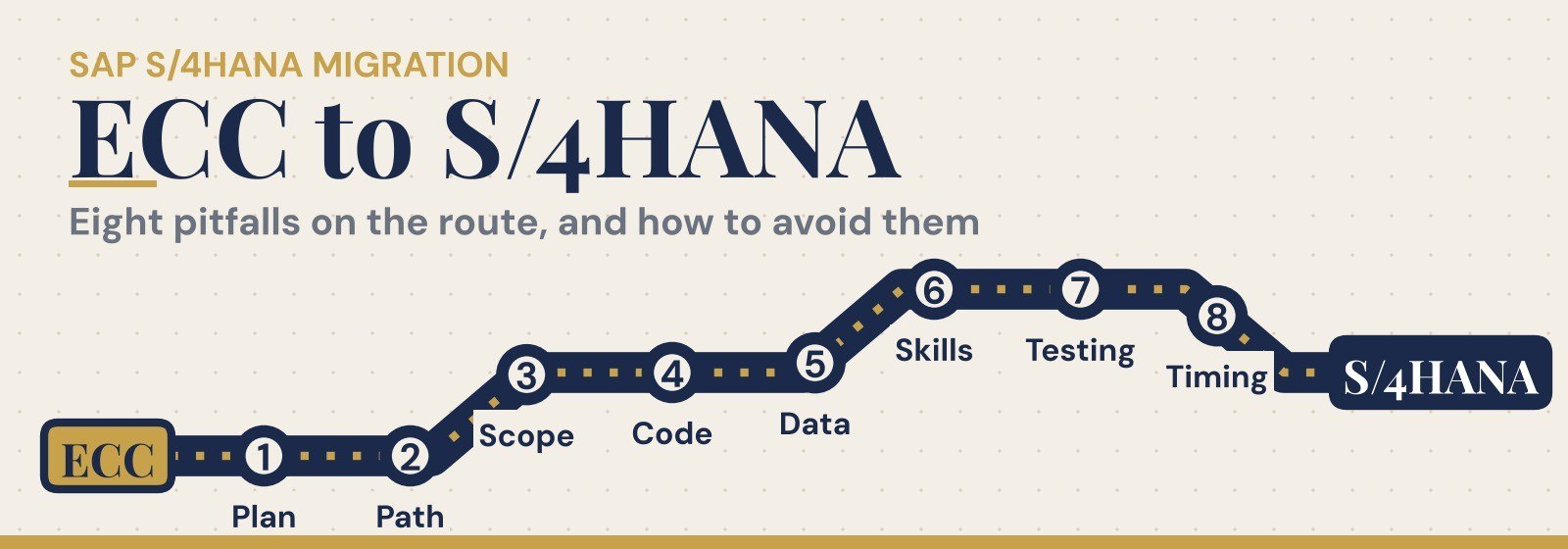
SAP has committed to mainstream maintenance for Business Suite 7 core applications, the family that includes the SAP ERP Central Component, known as ECC, through the end of 2027. The clock is tighter than it looks and the process is full of pitfalls. Here is how to avoid the pitfalls.
An SAP conversion asks for different skills at every stage. A permanent team sized for the busiest stage pays for expertise it uses for weeks.
Business Suite 7 has a deadline, S/4HANA a release cadence and Business One a maintenance window. All three need hands after the project ends.
E-Business Suite has a support runway to at least 2036 and Fusion Cloud ERP changes four times a year. Both need people who stay after go-live.
Online, Odoo.sh and on-premise hosting divide the upgrade and maintenance burden differently. Know who carries it before go-live, not after.
NetSuite runs two major releases a year and provides preview accounts to test them. What gets tested, and by whom, is a staffing question.
Business Central updates every month and Dynamics 365 finance and operations apps follow their own schedule. Keeping up takes people, not just licenses. Microsoft’s ERP products update more often than many customers expect. Business Central has two major releases a year, in April and October, with minor updates in every other month, and Microsoft strongly recommends testing critical business scenarios before production is updated.